Our research group is at the forefront of scientific exploration, focusing on photo- and electro-catalytic processes integral to advancements in solar fuels, CO2 capture and conversion, and energy storage technologies. Bridging the disciplines of organic and physical chemistry, we employ sophisticated techniques to advance our understanding and capabilities in these areas:
We invite collaboration and inquiry as we strive to innovate and contribute to the advancement of energy research and technology. Three primary studies are conducted in our lab.
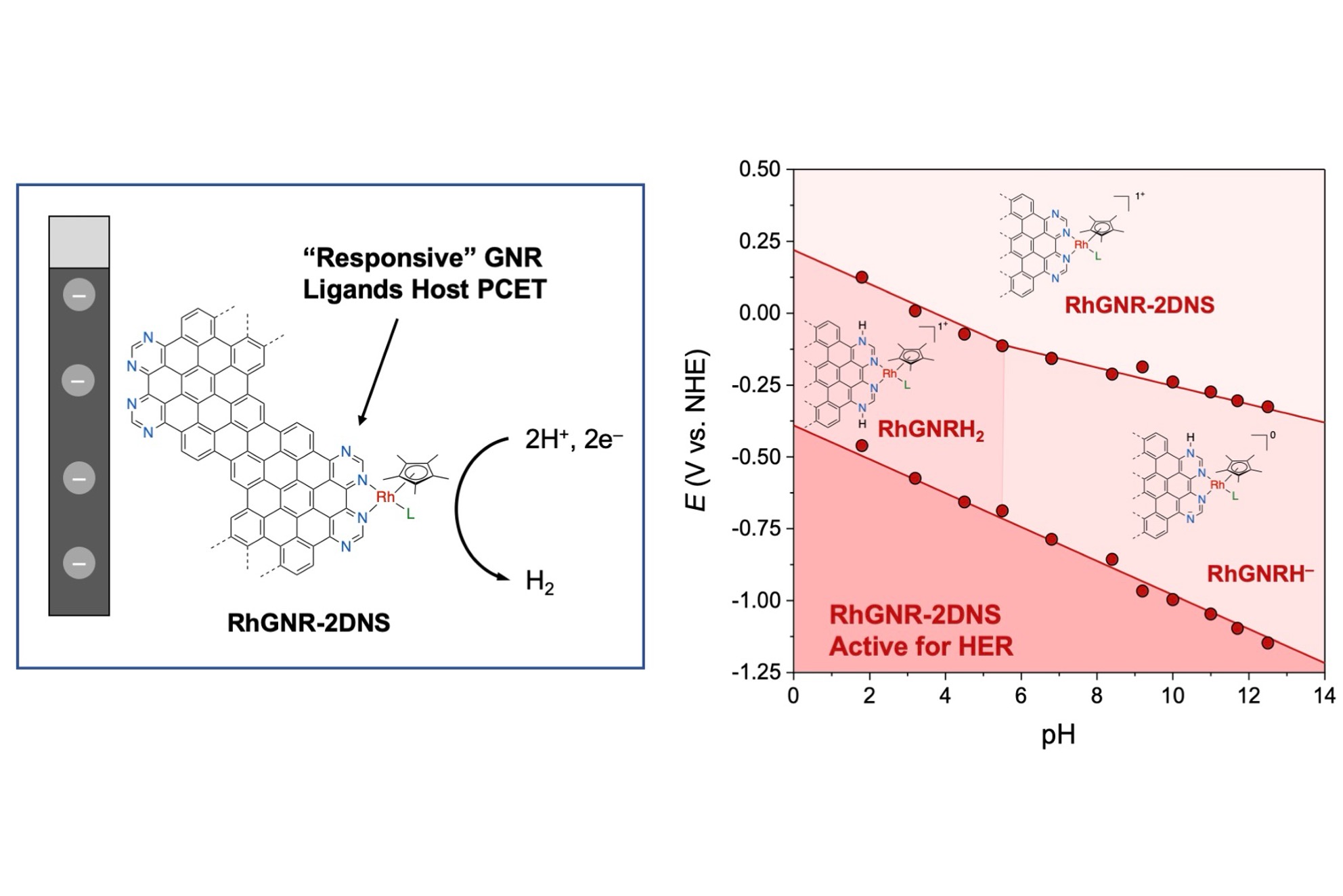
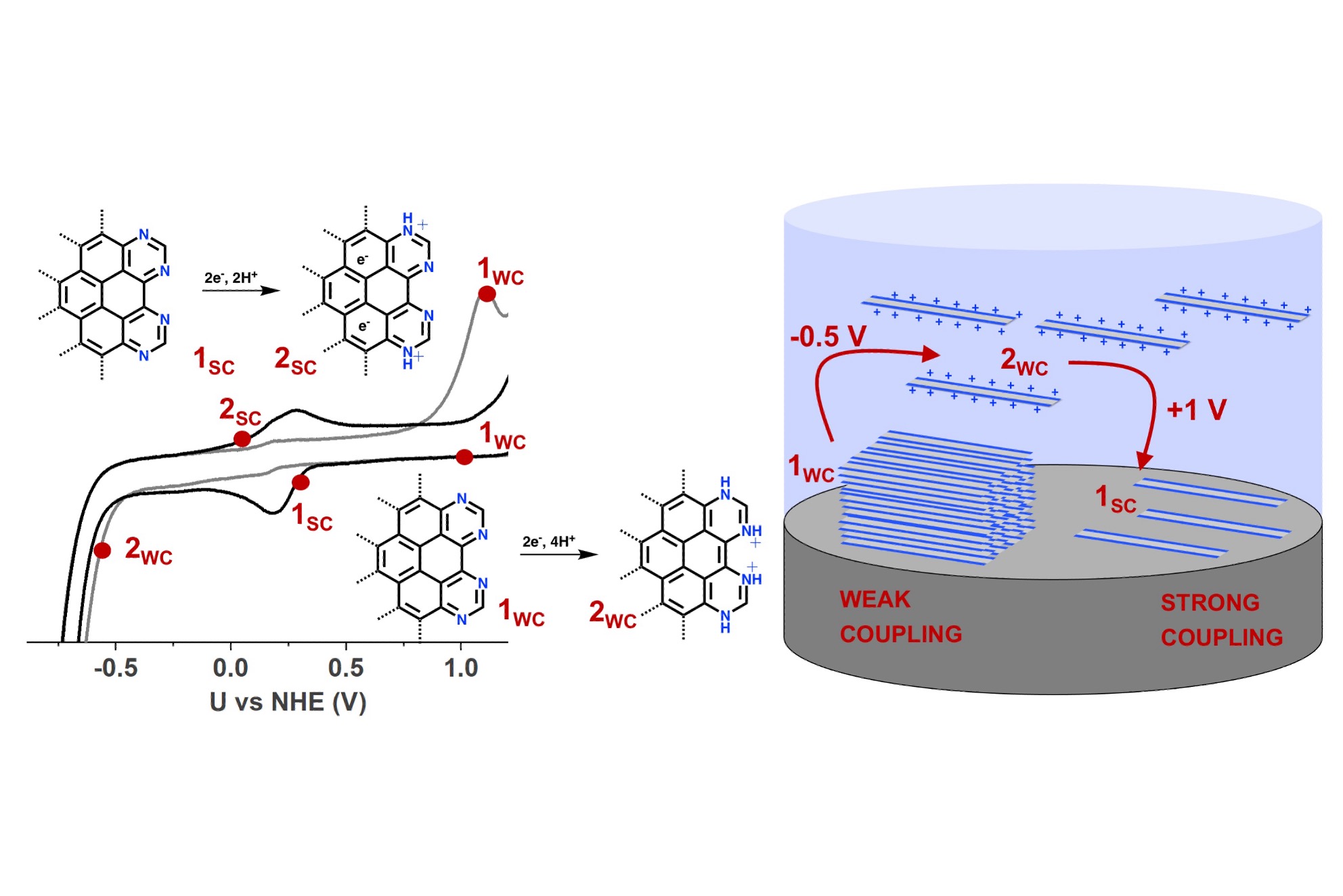
Molecular Electrodes: We are creating a new generation of molecule–electrode hybrid materials by attaching tunable molecular electrocatalysts—covalently or noncovalently—to conductive surfaces. Our goal is to discover how immobilization and the intense electric fields at electrode–electrolyte interfaces reshape catalyst behavior, selectivity, and efficiency. By focusing on energy-relevant transformations such as hydrogenation and oxygen-atom transfer, we aim to unite the molecular precision of homogeneous catalysts with the practicality of solid electrodes, opening new pathways toward cleaner and more sustainable chemical technologies. Ultimately, we envision molecular electrodes as programmable catalytic interfaces that can transform electricity into valuable fuels and chemicals with unprecedented control.

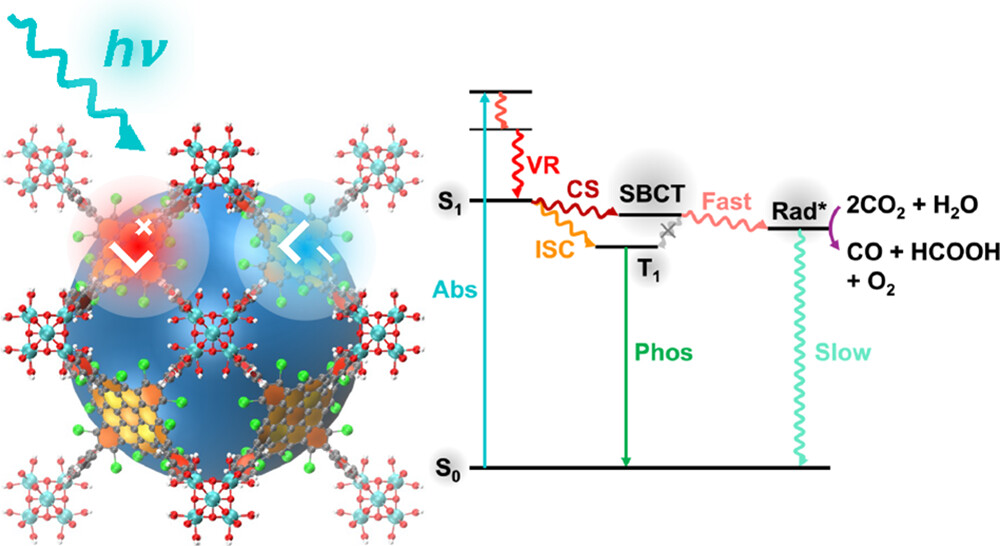
Light Harvesting and Photocatalysis: In this project, we develop strategies to assemble organic chromophores into functional light-harvesting architectures. We examine how chromophore orientation within supramolecular assemblies governs excited-state energy transfer and symmetry-breaking charge transfer. We also integrate these light-harvesting motifs with homogeneous transition-metal catalysts to enable industrially relevant transformations. Ultimately, we aim to harness light to inspire cleaner, more sustainable approaches to chemical synthesis.
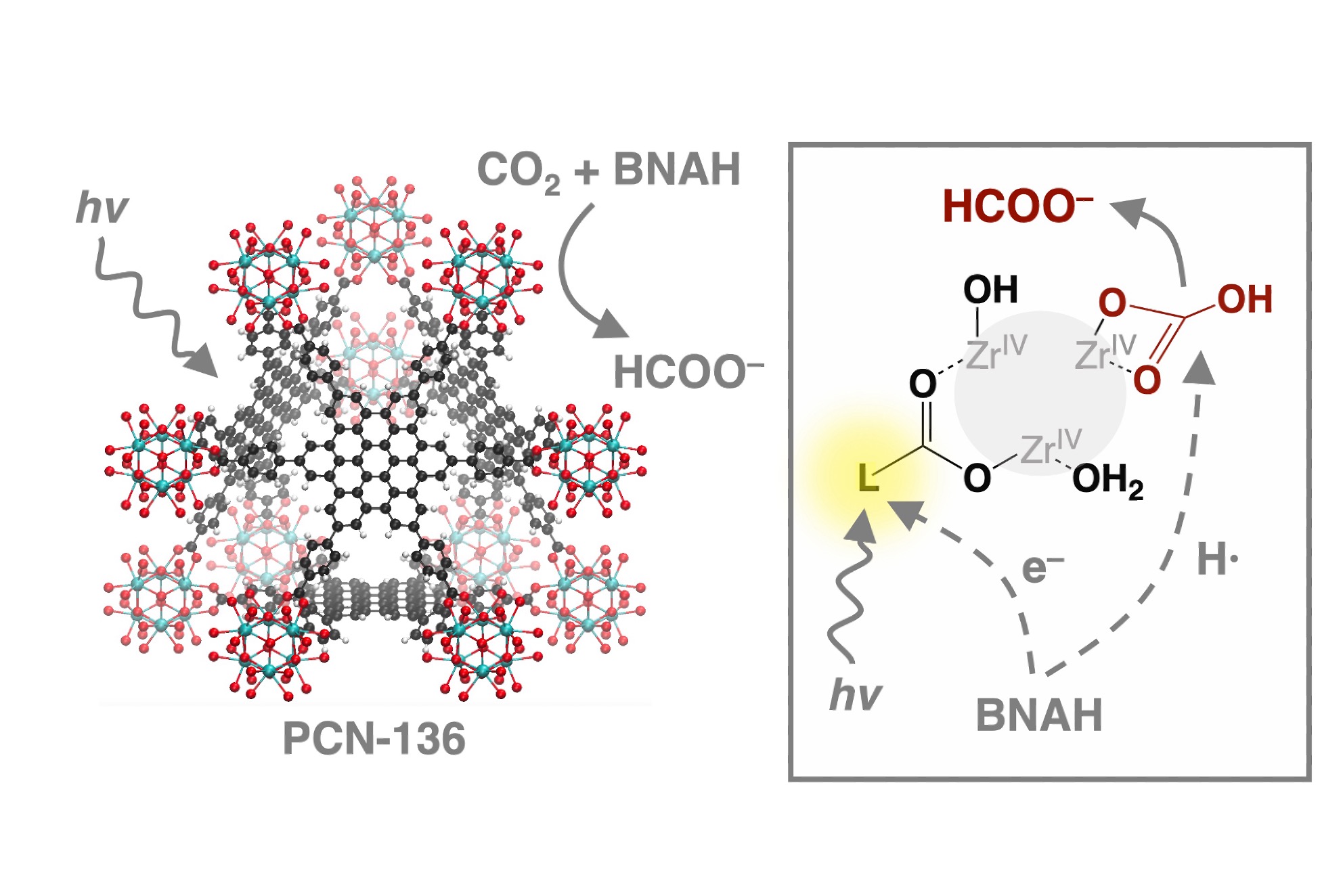

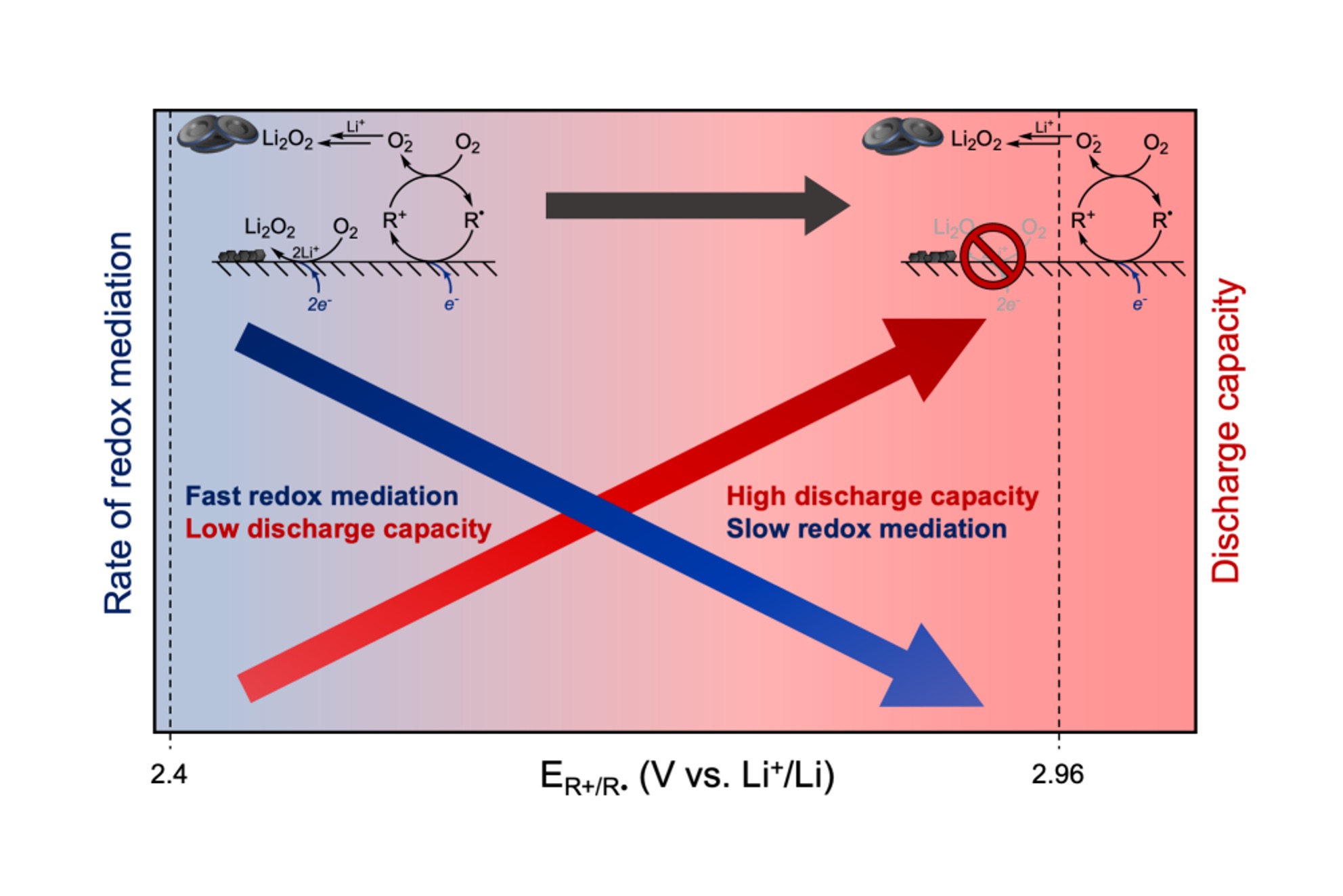
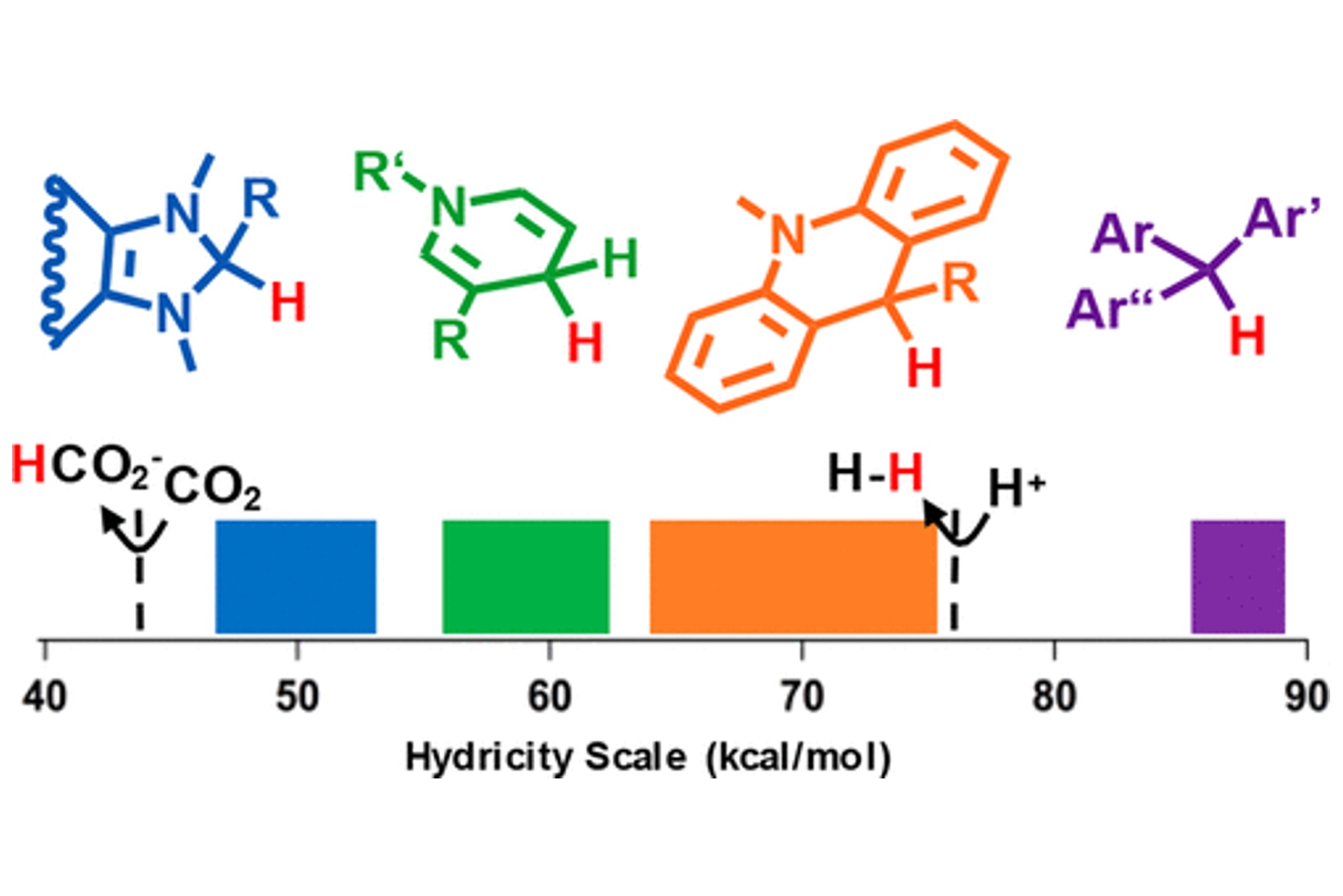
Molecular Redox Carriers: Natural systems provide remarkable examples of redox carriers—molecules that transport redox equivalents such as electrons, hydrogen atoms, and hydride ions. Prominent examples include flavins, NADH, and quinones. In this project, we develop synthetic analogues of these carriers and explore their applications in catalysis. We focus particularly on organic hydride donors and the molecular factors that govern the thermodynamics and kinetics of hydride transfer. By learning from nature, we aim to design versatile catalytic systems that enable cleaner and more sustainable chemical transformations.